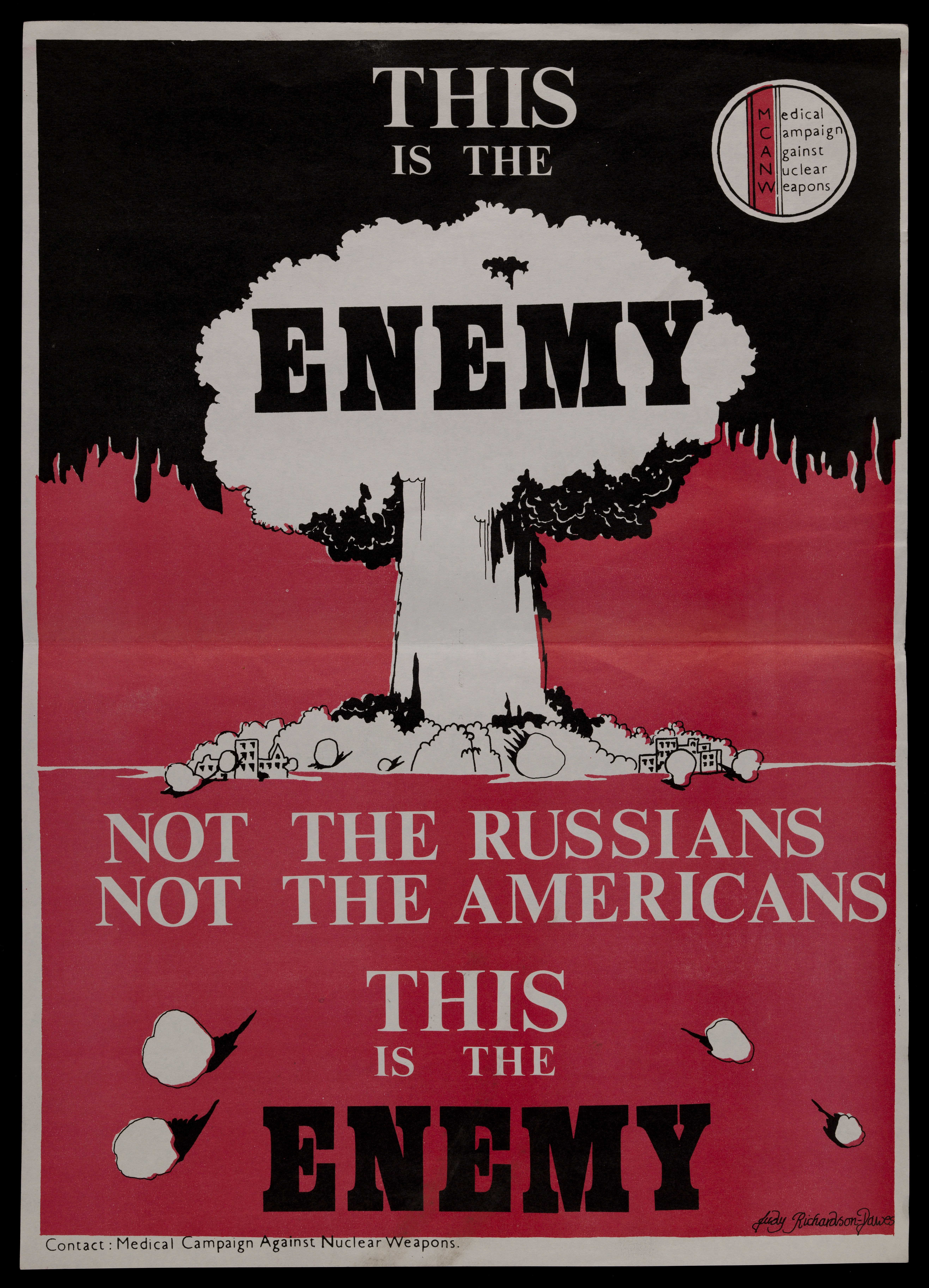
Might the U.S. Military Support Nuclear Disarmament?

Its senior leadership is uniquely positioned in the present moment to pursue a revolutionary possibility

It is often difficult in the moment to recognize when one is at a crossroads. In the 1991 Gulf War, I was a lowly tactical intelligence officer in a parachute infantry regiment of the 82nd Airborne, rolling through the Iraqi desert beneath an air campaign that left smoldering charcoal where ...
Read More

Might the U.S. Military Support Nuclear Disarmament?

The Justice Train from Bucha

The establishment of a new special criminal tribunal becomes plausible

So what will happen in the end in the field of international criminal law after the end of the war in Ukraine? The train of justice will reach The Hague’s central railway station and the truth will shine for centuries to come. The final question is whether these serious legal ...
Read More
The Justice Train from Bucha

War Crimes, Controversial Food Takes, Indigenous Land Acknowledgments

Episode 206

Here are some links and references mentioned during this week’s show: President Trump recently pardoned three American servicemen convicted of war crimes. Natalia referred to Adam Serwer’s Atlantic piece “The Cruelty is the Point” and this New Yorker article about the 19th-century origins of the military court system. Niki recommended reading up on the case of Eddie Gallagher to understand ...
Read More
Placeholder

The Whistleblowers of the My Lai Massacre

How three ordinary soldiers exposed a crime

On March 16, 1968, about 200 American soldiers from Bravo and Charlie companies -- part of the Americal Division’s 11th Infantry Brigade -- entered the complex of South Vietnamese villages now known as My Lai, and killed 504 unarmed villagers, including elderly men, women, children, and babies. The “My Lai ...
Read More
Placeholder

Asymmetric Legality

The Invisibility of High-Tech Violence in Afghanistan

The decision by the International Criminal Court’s pre-trial chamber to not authorize a full investigation into the “situation” in Afghanistan has served as a reminder that international criminal justice is political: it depends on political support and it shapes political debates about armed conflict, violence, and justice. Yet a closer ...
Read More
Asymmetric Legality